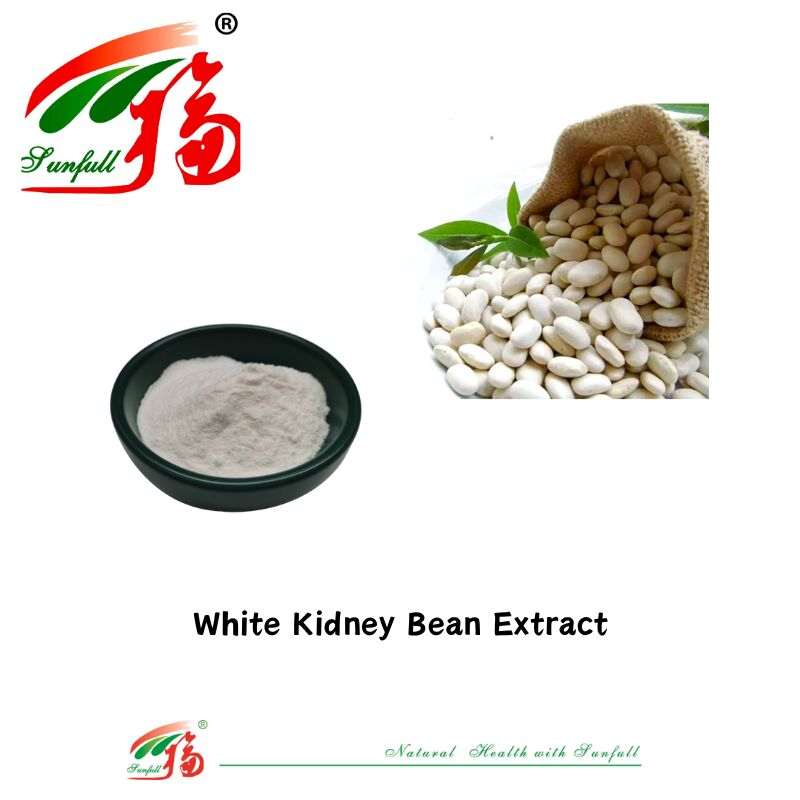
Phaseolus vulgaris Linn. (scientific name: Phaseolus vulgaris Linn.) is an annual, twining or nearly erect herb of the family Leguminosae. Stems pubescent or glabrous when old. Pinnate compound leaves; Stipules lanceolate, leaflets broadly ovate or ovate rhombic, lateral oblique, racemes shorter than leaves, several flowers at the top of inflorescence; The bracteoles are oval, with several raised veins, the calyx is cup-shaped, and the corolla is white, yellow, purple or red; Petals obovate, style compressed. The pods are band-shaped, slightly curved, the seeds are oval or kidney shaped, white, brown, blue or mottled, and the hilum is usually white. Flowers bloom in spring and summer. Kidney beans are native to America and cultivated in China. It has been widely planted in tropical to temperate regions. Kidney beans like warmth and are not resistant to frost.Phaseolus vulgaris is the most widely cultivated crop in the genus Phaseolus. The tender pods are used for vegetables. There are more than 500 varieties. Therefore, the shape and size of plants, the color and size of flowers, the shape and color of pods and seeds vary greatly, and the flavor is also different.
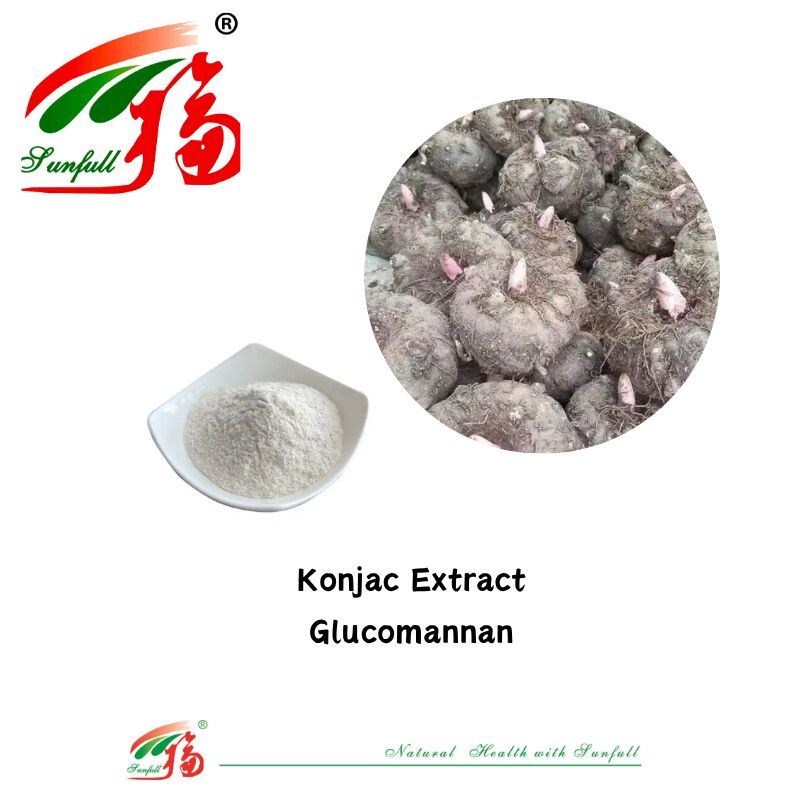
Konjac Root Extractis derived from the tuber ofAmorphophallus konjac, a plant native to Asia. Rich in glucomannan, a soluble dietary fiber, it promotes digestive health, weight management, and blood sugar control by forming a gel-like substance in the gut. The extract also hydrates skin, improves elasticity, and is used in cosmetics for its moisturizing properties. With low calories and high viscosity, it aids in cholesterol reduction and detoxification. Konjac extract is widely used in food (e.g., shirataki noodles), supplements, and skincare products. Consult a healthcare provider before use to avoid digestive blockage if taken improperly.