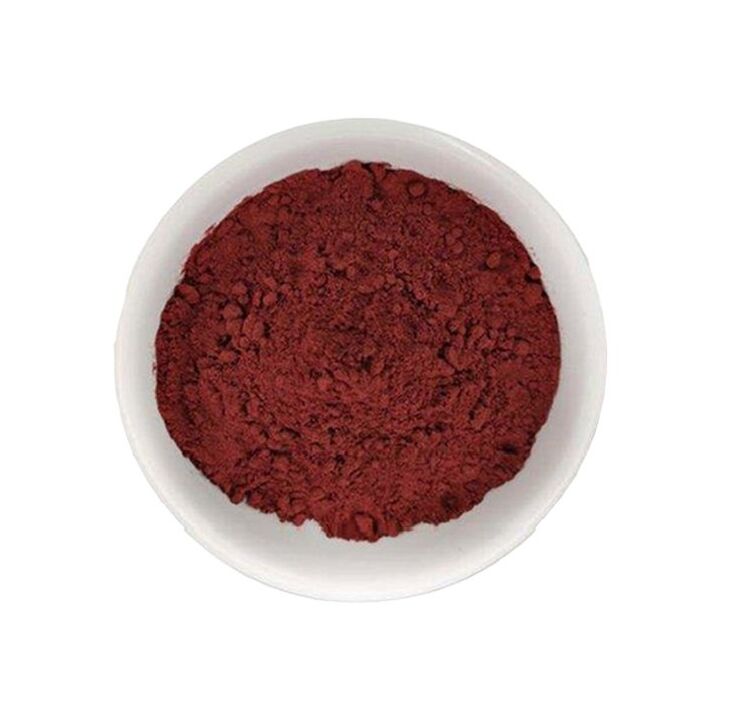
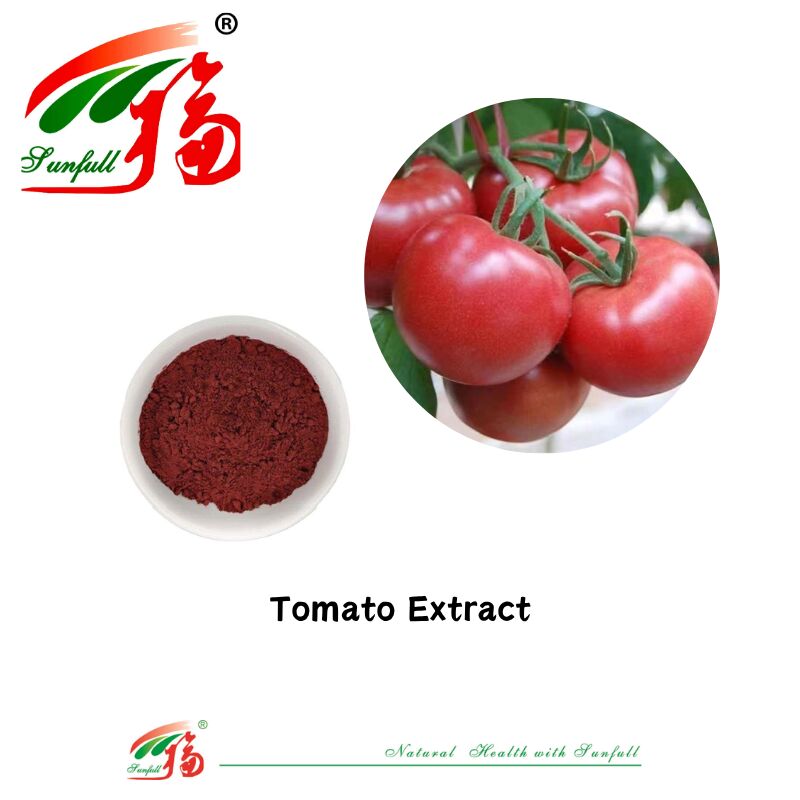
Description Lycopene, a carotenoid found in plant foods, is also a red pigment. It is soluble in chloroform, benzene and grease but not in water. It is unstable to light and oxygen and turns brown when it meets iron. Molecular formula C40H56,relative molecular mass 536.85. There are 11 conjugated double bonds and 2 non-conjugated double bonds in the molecular structure, forming a linear hydrocarbon. There is no physiological activity of vitamin A, but it has a strong antioxidant function.
Functions: 1. Powerful antioxidant: Lycopene is a powerful antioxidant that can help remove free radicals in the body and reduce damage to cells caused by oxidative stress. It protects cells from oxidative stress and DNA damage.
2. Protect cardiovascular health: Studies have found that the intake of lycopene is related to cardiovascular health. It can lower cholesterol levels, improve blood vessel function, reduce the risk of atherosclerosis, and help reduce the risk of high blood pressure.
3. Anticancer effect: Lycopene is considered to have certain anticancer potential. It may have protective effects against various cancer types, such as prostate, lung, stomach, and breast cancers. It can exert anti-cancer effects by inhibiting the growth and spread of cancer cells, regulating the cell cycle, and inducing apoptosis.
4. Promote eye health: Lycopene also has certain benefits for eye health. It protects the retina from oxidative damage, reducing the risk of age-related macular degeneration (AMD) and cataracts.
5. Other effects: Studies have also shown that lycopene may help improve bone health, skin health, and immune system function.